
DIGITAL MARKETING
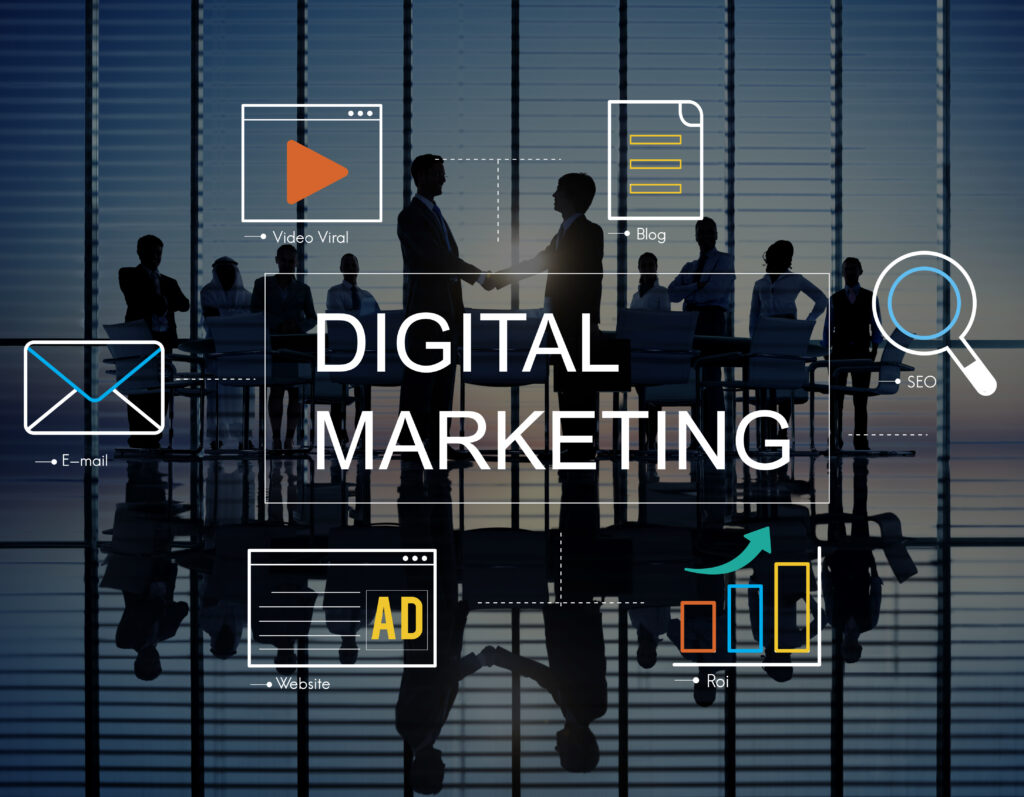
Digital marketing is the modern way of promoting products, services, or brands using digital platforms such as websites, search engines, social media, email, and mobile applications. It plays a vital role in today’s business world, where most consumers spend a large part of their time online. Unlike traditional marketing, digital marketing allows businesses to connect directly with their audience in real time and measure the performance of their campaigns accurately.
One of the biggest advantages of digital marketing is its global reach. A business can reach customers from anywhere in the world without spending a huge amount of money. It also allows for targeted marketing, where companies can focus on specific audiences based on age, location, interests, or online behavior. This makes marketing campaigns more efficient and cost-effective.
The main components of digital marketing include Search Engine Optimization (SEO), which helps websites rank higher on search engines; Social Media Marketing (SMM), which builds brand presence and customer engagement; Content Marketing, which focuses on creating valuable content; Email Marketing, which maintains customer relationships; and Pay-Per-Click (PPC) Advertising, which drives traffic through paid promotions.
Digital marketing also emphasizes the importance of data analysis and performance tracking. Marketers can measure website visits, conversion rates, engagement levels, and other metrics to understand what works best and make improvements.
In conclusion, digital marketing is essential for every business in the digital age. It enhances brand visibility, improves customer communication, increases sales, and helps companies grow in a competitive online marketplace. It is not just about selling a product—it’s about building lasting relationships with customers through meaningful online experiences.
Digital marketing is the modern way of promoting products, services, or brands using digital platforms such as websites, search engines, social media, email, and mobile applications. It plays a vital role in today’s business world, where most consumers spend a large part of their time online. Unlike traditional marketing, digital marketing allows businesses to connect directly with their audience in real time and measure the performance of their campaigns accurately.
One of the biggest advantages of digital marketing is its global reach. A business can reach customers from anywhere in the world without spending a huge amount of money. It also allows for targeted marketing, where companies can focus on specific audiences based on age, location, interests, or online behavior. This makes marketing campaigns more efficient and cost-effective.
The main components of digital marketing include Search Engine Optimization (SEO), which helps websites rank higher on search engines; Social Media Marketing (SMM), which builds brand presence and customer engagement; Content Marketing, which focuses on creating valuable content; Email Marketing, which maintains customer relationships; and Pay-Per-Click (PPC) Advertising, which drives traffic through paid promotions.
Digital marketing also emphasizes the importance of data analysis and performance tracking. Marketers can measure website visits, conversion rates, engagement levels, and other metrics to understand what works best and make improvements.
In conclusion, digital marketing is essential for every business in the digital age. It enhances brand visibility, improves customer communication, increases sales, and helps companies grow in a competitive online marketplace. It is not just about selling a product—it’s about building lasting relationships with customers through meaningful online experiences.
You said:
ChatGPT said:
Digital Marketing – Detailed Long Description (Article Page)
Digital marketing is a powerful strategy that uses online platforms and digital technologies to promote products, services, or brands. It connects businesses with their audience through digital channels such as websites, search engines, social media, email, and mobile apps. In today’s technology-driven world, digital marketing has become an essential part of business growth, helping organizations reach global audiences quickly and effectively.
Unlike traditional marketing methods—such as television, print, or radio—digital marketing offers real-time communication and measurable results. It allows businesses to analyze customer behavior, track campaign performance, and make data-driven decisions. With digital marketing, companies can target specific audiences, personalize their messages, and build stronger customer relationships based on trust and engagement.
Key Components of Digital Marketing
Search Engine Optimization (SEO):
SEO improves the visibility of a website on search engines like Google. It involves optimizing content, keywords, and site performance to attract organic (unpaid) traffic.Social Media Marketing (SMM):
This involves promoting products and engaging with audiences on platforms like Facebook, Instagram, Twitter, LinkedIn, and YouTube. It helps in brand awareness, audience engagement, and customer loyalty.Content Marketing:
Creating and sharing valuable, relevant, and consistent content such as blogs, videos, and infographics helps attract and retain a clearly defined audience.Email Marketing:
Email remains one of the most effective tools for connecting with customers, sharing updates, offering promotions, and nurturing long-term relationships.Pay-Per-Click (PPC) Advertising:
PPC is a paid advertising model where businesses pay each time someone clicks their ad. It’s a fast way to drive targeted traffic to websites.Affiliate and Influencer Marketing:
These strategies use partnerships with affiliates or influencers who promote products in exchange for a commission or collaboration.Web Analytics:
Tools like Google Analytics help track website traffic, user behavior, and campaign performance to guide better marketing decisions.
Importance of Digital Marketing
Digital marketing is important because it provides cost-effective promotion, wider reach, and precise audience targeting. It allows small businesses to compete with larger companies on a global scale. It also enables instant feedback, brand building, and measurable growth, making it one of the most efficient marketing strategies in the modern era.
Benefits of Digital Marketing
Global Reach: Businesses can reach customers worldwide.
Cost-Effective: Cheaper than traditional advertising methods.
Personalization: Messages and offers can be customized for specific audiences.
Data-Driven Decisions: Performance can be tracked and improved using analytics.
Brand Engagement: Interactive content builds trust and customer loyalty.
Conclusion
Digital marketing is more than just online advertising—it’s a complete system of strategies that helps businesses connect with their audience, build brand identity, and drive success in the digital world. As technology evolves, digital marketing continues to grow, offering endless opportunities for innovation, creativity, and business expansion.
SOCIAL MEDIA MARKETING
Social media marketing is one of the most powerful and effective forms of digital marketing used today. It involves using social media platforms such as Facebook, Instagram, Twitter (X), LinkedIn, YouTube, and TikTok to promote products, services, and brands. Through these platforms, businesses can reach millions of users, build brand awareness, engage with their audience, and drive sales.
In the modern digital era, social media has become an essential part of daily life for people of all ages. This makes it the perfect space for businesses to connect with their target audience in a personal and interactive way. Unlike traditional marketing, social media marketing allows for two-way communication—brands can share content and immediately receive feedback, comments, likes, or messages from customers. This instant engagement helps businesses build stronger relationships and trust with their followers.
Key Components of Social Media Marketing
Content Creation:
Creating and sharing high-quality posts, images, videos, reels, and stories that are engaging, informative, and aligned with the brand’s identity.Audience Engagement:
Responding to comments, messages, and mentions to create a positive relationship with followers and encourage community interaction.Social Media Advertising:
Using paid ads on platforms like Facebook Ads, Instagram Ads, and LinkedIn Ads to target specific demographics and reach potential customers efficiently.Analytics and Insights:
Tracking performance through analytics tools to measure engagement, reach, impressions, and conversions. These insights help improve future campaigns.Influencer Marketing:
Partnering with influencers or content creators who can promote the brand to their large, loyal audiences, increasing credibility and visibility.Brand Strategy:
Building a consistent tone, visual identity, and messaging across all social platforms to create a strong brand presence.
Importance of Social Media Marketing
Social media marketing is important because it offers cost-effective brand promotion, direct communication with customers, and measurable results. It allows even small businesses to reach large audiences without spending heavily. Moreover, social media platforms provide real-time data and analytics, enabling marketers to understand customer behavior, trends, and preferences instantly.
It also helps in increasing website traffic, improving search engine rankings, and building customer loyalty through meaningful interactions. Businesses can launch new products, run contests, share news, or post creative campaigns that make them stand out in the competitive market.
Benefits of Social Media Marketing
Increases Brand Awareness by reaching a large audience.
Drives Targeted Traffic to websites and online stores.
Improves Customer Engagement through likes, shares, and comments.
Builds Brand Loyalty through consistent communication.
Generates Leads and Sales through paid ads and organic reach.
Provides Market Insights through analytics and customer feedback.
Conclusion
Social media marketing is not just about posting content—it’s about creating connections, telling stories, and building a community around your brand. It combines creativity, communication, and strategy to turn followers into loyal customers. In today’s competitive business world, a strong social media presence is no longer optional—it’s essential for success.
Would you like me to make this article SEO-optimized with headings and keywords (e.g., “social media marketing strategies,” “benefits of social media,” “importance of social media marketing”) for your website or blog?